Literature of Mithila: A Journey Through Tradition, Culture, and Identity
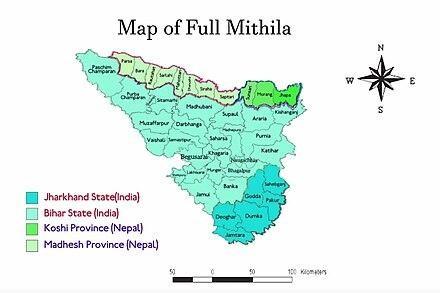
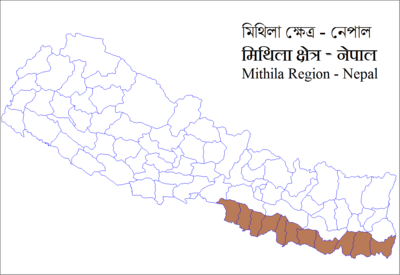
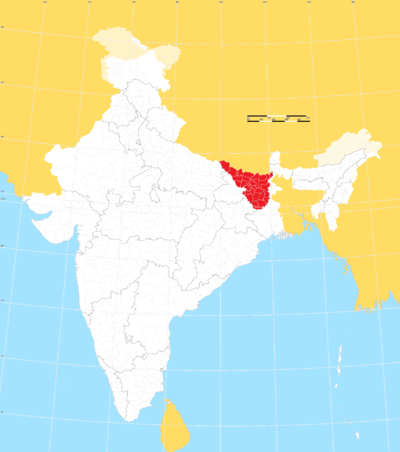
Mithila, an ancient land nestled in northern Bihar and parts of Nepal, is not only famous for its vibrant folk art and festivals but also for its rich literary traditions. The literature of Mithila, primarily in the Maithili language, spans centuries and is deeply intertwined with the region’s culture, philosophy, and social life. In this blog, we’ll explore the significance of Mithila’s literary heritage, major literary figures, key works, and the unique themes that continue to resonate through Maithili literature.
(Image Source: Wikipedia)
The Roots of Maithili Literature
Mithila’s literary tradition dates back to ancient times, with its roots found in Vedic and classical Sanskrit literature. Scholars believe that the Maithili language, the backbone of Mithila’s literary culture, evolved from Magadhi Prakrit. By the 14th century, Maithili had established itself as a distinct language with its own script, Tirhuta. Early Maithili writings were heavily influenced by Hindu scriptures and Bhakti poetry, which reflected the spiritual and philosophical leanings of the people.
Vidyapati: The Jewel of Maithili Literature
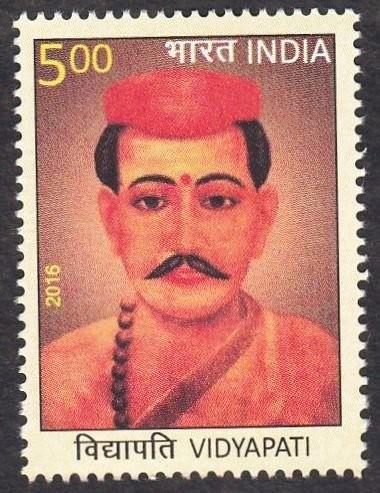
No discussion of Maithili literature is complete without the mention of Vidyapati, often called the "Kavi Kokil" or "Poet Cuckoo" of Mithila. Vidyapati’s poetry, especially his love songs dedicated to Radha and Krishna, is celebrated for its deep emotion, simplicity, and elegance. His compositions had a profound impact not only on Maithili literature but also on Bengali and Hindi literary traditions.
Postal stamp issued by the Government of India in recognition of Vidyapati. (Source: Wikipedia)
Notable Work:
- Padavali: This is perhaps his most famous work, where he poetically describes the divine love between Radha and Krishna.
.PNG "Padavali by Vidyapati")
The Evolution of Maithili Literature
After Vidyapati, Maithili literature continued to grow, especially under the patronage of the Mithila kings like the Karnatas and the Oinwar dynasties. Scholars and poets in the royal courts continued to produce philosophical treatises, poetry, and plays. The region’s devotion to knowledge earned it the nickname "the land of scholars."
Contributions of Jain and Buddhist Literature: Interestingly, Maithili also became a medium for Jain and Buddhist teachings during medieval times.
Philosophers and monks used the language to preach and spread their teachings, adding layers of diversity to the literary output of the region.
Modern Maithili Literature: The Rise of Novelists and Playwrights
The modern era of Maithili literature began in the late 19th and early 20th centuries. With the influence of English education and modernist ideas, writers began to experiment with new forms like novels, short stories, essays, and plays. The themes also shifted from religious and devotional to more contemporary issues like social justice, gender equality, and rural life in Mithila.
Harimohan Jha: A Pioneer in Modern Maithili Literature
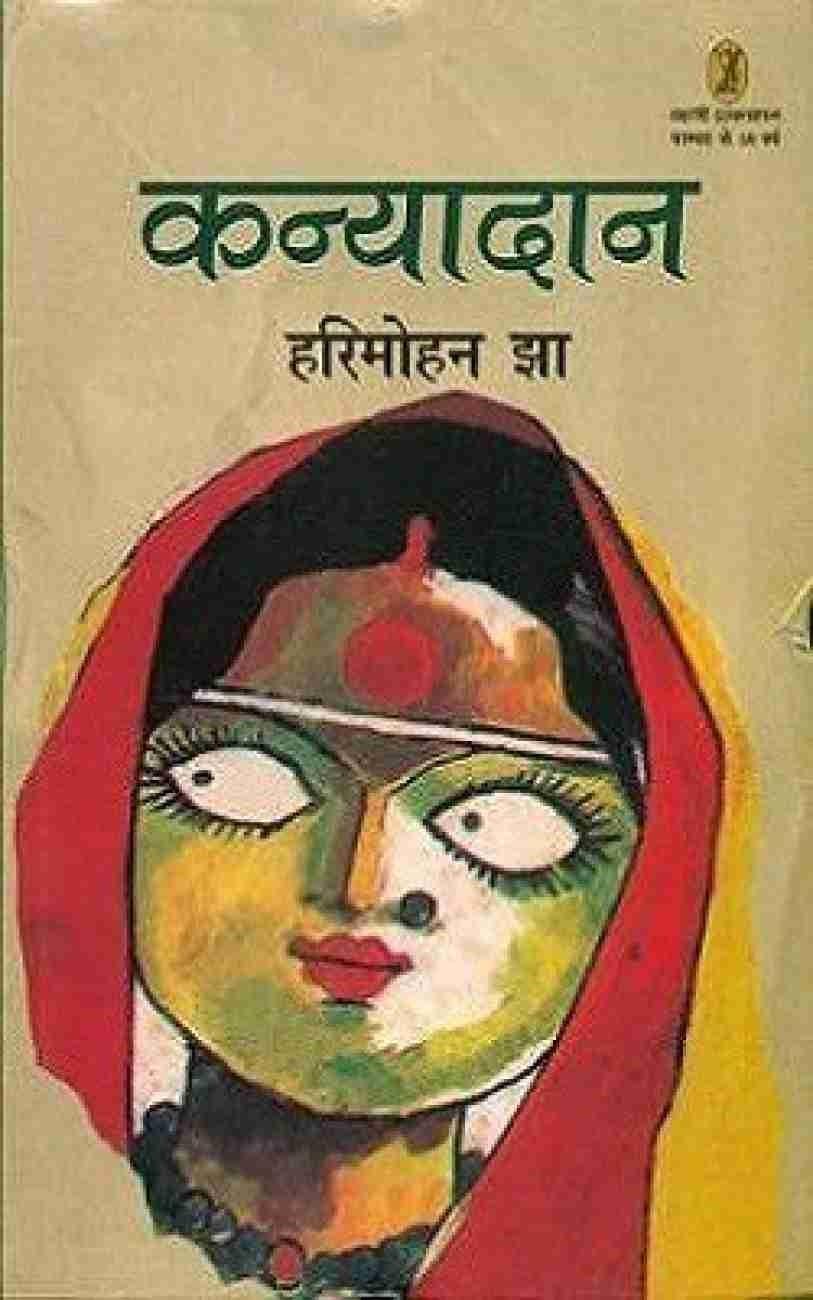
Among the key figures in modern Maithili literature is Harimohan Jha. He brought a wave of change by blending humor with serious social commentary. His novel Kanyadan, which critiques the dowry system, is considered one of the finest works of modern Maithili literature. Through wit and satire, Jha was able to highlight the plight of women in traditional Maithil society while also celebrating the region’s customs and rituals.
Notable Work:
- Kanyadan (1933): This novel addresses the evils of the dowry system and remains one of the most important literary works in Maithili.
Themes in Maithili Literature
Maithili literature offers a vivid portrayal of Mithila's cultural, social, and religious life. The following themes are commonly explored:
1. Love and Devotion
2. Social Critique
3. Rural Life
4. Spirituality and Philosophy
Maithili Literature in the Modern Day
Maithili continues to thrive today, not only in Mithila but also among Maithili-speaking communities in other parts of India and Nepal. Institutions like the Mithila Academy and Mithila University have played significant roles in promoting Maithili literature and language. Moreover, Sahitya Akademi has recognized many Maithili writers, awarding them for their contributions to Indian literature.
Mithila Folk Tales and Oral Traditions
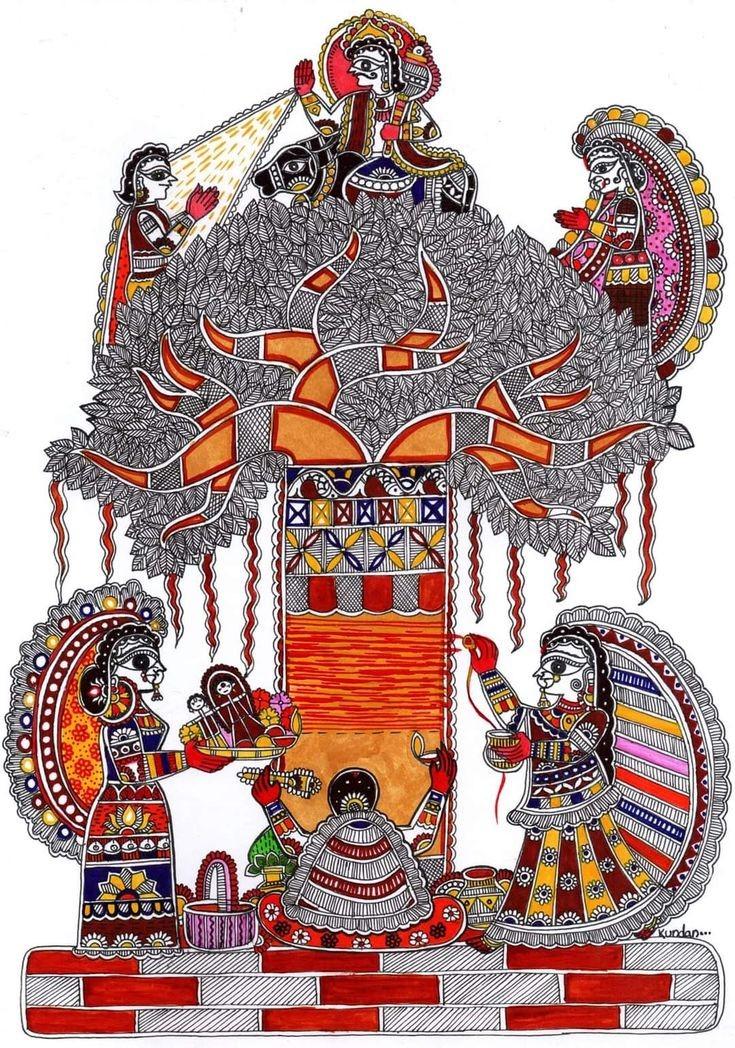
Another integral part of Mithila’s literary heritage is its folk tales and oral traditions. These stories, passed down through generations, are a rich source of wisdom, humor, and moral lessons.
Some of the famous tales include stories of the legendary King Janaka, Sita’s swayamvara, and the heroic deeds of local gods and goddesses like Raja Salhesh and Devi Bhagwati.
(Source: Pinterest)
Conclusion: The Enduring Legacy of Mithila’s Literary Tradition
Mithila’s literary tradition is a vibrant tapestry of history, culture, and creativity that continues to inspire generations. From the devotional poems of Vidyapati to the social commentaries of Harimohan Jha and the evolving voices of contemporary Maithili writers, Mithila’s literature remains a reflection of its people’s values, struggles, and aspirations.